How Child Support Is Calculated

Child support is one of the most common and important issues in family law cases. Whether parents are divorcing, separating, or were never married, child support ensures that a child’s basic needs are met. While the process may seem confusing, child support is not randomly determined. Courts use specific guidelines and factors to calculate an appropriate amount.

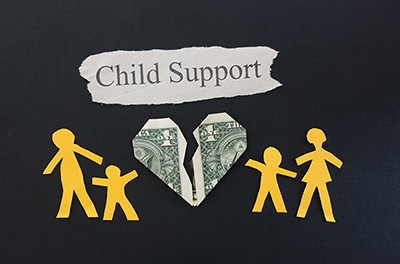
paper family with broken money heart and Child Support text

Child Support Guidelines

Most states use statutory child support guidelines to determine payment amounts. These guidelines are designed to create consistency and fairness while prioritizing the child’s best interests. The court begins by looking at each parent’s gross income, which typically includes wages, bonuses, commissions, self-employment income, and sometimes investment income or benefits.

The combined income of both parents is then used to determine a base child support obligation. Each parent is responsible for a percentage of that amount based on their share of the total income.

Parenting Time and Custody

The amount of time each parent spends with the child can significantly impact child support. In many cases, the parent with primary custody receives child support from the other parent. If parenting time is shared more equally, support amounts may be adjusted to reflect the financial responsibilities each parent assumes during their time with the child.

Overnight stays, holiday schedules, and extended visitation can all factor into the final calculation.

Additional Expenses Considered

Child support is not limited to basic living expenses. Courts often include additional costs such as:

  • Health insurance premiums for the child

  • Uninsured medical and dental expenses

  • Childcare or daycare costs

  • Educational expenses or special needs services

These expenses may be divided between the parents based on income percentages or as ordered by the court.

Income Imputation

If a parent is unemployed or underemployed by choice, the court may “impute” income. This means the judge assigns an income level based on work history, education, and earning capacity rather than actual earnings. Courts take this step to prevent parents from avoiding child support obligations.

Deviations From the Guidelines

Although guidelines provide a starting point, courts may deviate from them in certain situations. Factors that can lead to a deviation include extraordinary medical needs, special educational requirements, significant travel costs for visitation, or other circumstances that make the standard calculation unfair or impractical.

When a court deviates, it must usually explain why the standard guideline amount is not appropriate.

Modifying Child Support

Child support is not always permanent. If there is a substantial change in circumstances—such as a job loss, income increase, change in custody, or medical issue—either parent may request a modification. Courts will review updated financial information to determine whether a change is justified.

Why Legal Guidance Matters

Because child support calculations involve detailed financial information and legal standards, mistakes can be costly. An experienced family law attorney can help ensure income is accurately reported, expenses are properly included, and the final order reflects the child’s needs while protecting parental rights.

If you have questions about child support or believe your current order should be reviewed, speaking with a family law attorney can provide clarity and peace of mind.

Ossian, Zdravko & Gregg, LLC practices law as a divorce attorney, and family law attorney in Palm Harbor, Clearwater and the surrounding area.

For more information, visit our website at https://www.attorney-palm-harbor.com/
or call (727) 787-5919.

How Long Does a Divorce Take?

One of the first questions people ask when considering divorce is, “How long will this take?” In Florida, the answer depends on several factors, including whether the divorce is contested or uncontested, the complexity of the issues involved, and how cooperative both spouses are throughout the process.

Project management, team work and time management concept.

Florida’s Residency Requirement

Before filing for divorce in Florida, at least one spouse must have lived in the state for a minimum of six months prior to filing. Once this requirement is met, the divorce process can officially begin.

Uncontested Divorce: The Fastest Option

An uncontested divorce occurs when both spouses agree on all major issues, including:

  • Division of assets and debts

  • Child custody and parenting plans

  • Child support

  • Alimony (if applicable)

In Florida, uncontested divorces are often referred to as “simplified dissolutions of marriage.” If the paperwork is complete and properly filed, an uncontested divorce can be finalized in as little as 30 to 60 days. Some cases may move even faster, depending on the court’s schedule.

Contested Divorce: More Time-Consuming

A contested divorce happens when spouses cannot agree on one or more key issues. These cases typically take longer due to negotiations, discovery, hearings, and possibly a trial.

On average, a contested divorce in Florida may take six months to a year or longer, depending on factors such as:

  • The complexity of marital assets

  • Disputes over child custody or support

  • Allegations of hidden assets or misconduct

  • Court availability and scheduling

High-conflict divorces or cases involving significant assets can take well over a year to resolve.

Factors That Can Affect Divorce Timelines

Several variables can influence how long a divorce takes in Florida:

1. Level of Cooperation
The more cooperative both parties are, the faster the process tends to move. Frequent disputes or refusal to compromise can significantly delay proceedings.

2. Children Involved
Divorces involving children often take longer due to the need to establish parenting plans, time-sharing schedules, and child support arrangements.

3. Asset and Debt Complexity
Dividing businesses, retirement accounts, real estate, or large debts can extend the timeline due to valuations and negotiations.

4. Court Backlogs
Court schedules vary by county. Some courts are busier than others, which can impact how quickly hearings and trials are set.

5. Mediation Requirements
Florida courts often require mediation before a case goes to trial. While mediation can add a step, it often shortens the overall timeline by helping parties reach agreements faster.

Mandatory Waiting Period in Florida

Florida does not impose a mandatory waiting period for divorce once papers are filed. However, there is typically a 20-day response period after one spouse is served with divorce papers, which can affect the earliest possible finalization date.

Can You Speed Up the Process?

While not every divorce can be rushed, certain steps may help move things along:

  • Hiring an experienced family law attorney early

  • Providing complete and accurate financial information

  • Considering mediation or settlement negotiations

  • Avoiding unnecessary court filings or delays

Final Thoughts

There is no one-size-fits-all timeline for divorce in Florida. While some cases can be resolved in just a few weeks, others may take many months or longer. Understanding what factors influence the process can help you set realistic expectations and make informed decisions.

If you are considering divorce, speaking with a knowledgeable Florida family law attorney can help you understand your options and work toward the most efficient resolution possible.

Ossian, Zdravko & Gregg, LLC practices law as a divorce attorney, and family law attorney in Palm Harbor, Clearwater and the surrounding area.

For more information, visit our website at https://www.attorney-palm-harbor.com/
or call (727) 787-5919.

Dividing Retirement Accounts and Pensions in a Divorce

When couples go through a divorce, one of the most overlooked – yet most valuable – assets is retirement savings. Whether you’re dealing with a 401(k), IRA, pension, or other employer-sponsored retirement plan, these accounts often represent decades of hard work. Understanding how they’re divided is essential for protecting your financial future.

happy pensioner with grey hair looking at photos in living room

Why Retirement Accounts Matter in Divorce

Retirement accounts aren’t treated like everyday bank accounts. Even if only one spouse contributed financially, the portion earned during the marriage is usually considered marital property. This means both spouses may be entitled to a share. Because these accounts can be worth hundreds of thousands of dollars, fair division is critical.

Equitable Distribution vs. Community Property

How retirement assets are divided depends on your state’s laws.

  • Equitable distribution states divide property fairly, but not always equally. Courts consider factors like length of the marriage, each spouse’s income, and future earning ability.

  • Community property states divide marital assets 50/50.

Your attorney can help you understand which rules apply so you know what to expect.

Types of Retirement Accounts and How They’re Divided

Different plans require different processes:

1. 401(k)s and Employer-Sponsored Plans

These plans are typically divided using a Qualified Domestic Relations Order (QDRO). A QDRO is a legal document that instructs the plan administrator on how to split the account. Without a QDR0, the transfer may trigger taxes or penalties.

2. IRAs

IRAs don’t require a QDRO. Instead, they’re divided through a process called transfer incident to divorce, which allows assets to be moved without tax consequences.

3. Pensions

Pensions can be more complex because they’re based on a formula that accounts for years of service and salary. Spouses may receive a percentage of future payments or the pension’s present value can be offset with other assets.

Avoiding Common Mistakes

Dividing retirement assets improperly can be costly. Here are common pitfalls to avoid:

  • Not getting a QDRO done early — delays can cause unexpected financial loss.

  • Misunderstanding the value — some pensions offer survivor benefits or cost-of-living adjustments that affect worth.

  • Ignoring tax implications — taxes can significantly reduce the value of certain payouts.

Work With Professionals

A family law attorney, financial advisor, and CPA can work together to ensure the division is handled correctly. Mistakes can’t always be undone once the divorce is final, so it’s important to understand your options before signing a settlement agreement.

Final Thoughts

Dividing retirement accounts and pensions during a divorce is complicated but crucial. With the right guidance, you can protect your long-term financial security and ensure assets are divided fairly. If you’re facing divorce and unsure how your retirement savings will be handled, speaking with an experienced family law attorney is the best place to start.

Ossian, Zdravko & Gregg, LLC practices law as a divorce attorney, and family law attorney in Palm Harbor, Clearwater and the surrounding area.

For more information, visit our website at https://www.attorney-palm-harbor.com/
or call (727) 787-5919.

How to Prepare for Your First Meeting with a Divorce Attorney

Meeting with a divorce attorney for the first time can feel overwhelming, but a little preparation can make the process smoother and far more productive. Whether you’re certain that divorce is the right step or simply exploring your options, coming prepared helps the attorney understand your situation and gives you clearer guidance on what to expect moving forward. Here’s how to get ready for your initial consultation.

Shot of an elegantly dressed couple looking angrily at each other during a conversation with a counselor


1. Gather Key Financial Documents

A divorce involves both emotional and financial decisions. Bringing as much financial information as possible helps your attorney understand the full picture. Useful documents include:

  • Recent pay stubs

  • Tax returns from the last two years

  • Bank account statements

  • Mortgage or rental documents

  • Retirement account statements

  • Insurance policies

  • Credit card and loan statements

Don’t worry if you can’t get everything. Bring what you can, and your attorney will advise you on what’s most important.


2. Prepare a List of Questions

Your first meeting is your chance to get clarity about the divorce process. Consider asking:

  • How does the divorce process work in my state?

  • What issues should I expect to address (custody, support, property division)?

  • What timeline is typical for a case like mine?

  • How do you charge for your services?

Writing down your questions ensures you don’t forget anything during the meeting.


3. Outline Your Goals and Concerns

Think ahead about what matters most to you. Is your main focus child custody? Protecting certain assets? Staying in the family home?

Make a simple list of your priorities and any major concerns. An attorney can give better advice when they understand what you ultimately want.


4. Bring a Brief Summary of Your Situation

Your attorney will need a clear overview of your marriage, your family, and your current issues. It helps to prepare a short outline that includes:

  • Length of the marriage

  • Children’s names and ages

  • Employment and income information for both spouses

  • Any history of domestic conflict

  • Any ongoing court cases or previous legal agreements

This saves time and ensures the attorney gets an accurate understanding of your circumstances.


5. Be Honest About Everything

Your attorney is there to protect your interests, but they can only do that if you’re open and truthful. Don’t hide assets, debts, or potential problems. Even uncomfortable details are important. Honesty allows your attorney to prepare and defend your position effectively.


6. Bring a Notebook

You’ll receive a lot of information in this first meeting—process details, next steps, documents to gather, and more. Taking notes helps you remember important points and stay organized once you leave.


7. Prepare Emotionally

Divorce discussions can stir up strong emotions. It’s normal to feel anxious, upset, or unsure. Try to approach the meeting with a calm, practical mindset. Remember: this meeting is not about reliving every painful moment—it’s about planning your path forward.


Final Thoughts

Your first meeting with a divorce attorney is an important step toward understanding your rights, your options, and the road ahead. With some preparation, you’ll walk in with confidence and walk out with a clearer plan for your future. If you need help developing these documents or want to schedule a consultation, a family law attorney can guide you every step of the way.

Ossian, Zdravko & Gregg, LLC practices law as a divorce attorney, and family law attorney in Palm Harbor, Clearwater and the surrounding area.

For more information, visit our website at https://www.attorney-palm-harbor.com/
or call (727) 787-5919.

How to Protect Your Assets in a Divorce

Divorce can be one of life’s most challenging experiences—emotionally, financially, and legally. When you’ve spent years building wealth, property, or a business, protecting those assets becomes a top priority. While every divorce is unique, understanding your rights and taking the right steps early can help you safeguard what’s yours.

words protect ssets

Here’s what you need to know about protecting your assets during a divorce.


1. Understand the Difference Between Marital and Separate Property

The first step is knowing what belongs to you and what might be subject to division.

  • Marital property generally includes assets acquired during the marriage, such as joint bank accounts, real estate, and retirement savings.

  • Separate property typically refers to assets owned before marriage, inheritances, and personal gifts.

However, these lines can blur if, for example, you mix separate funds with joint accounts or use marital funds to improve a separate property. A family law attorney can help clarify what qualifies as marital versus separate in your state.


2. Keep Detailed Financial Records

Accurate documentation is essential. Keep copies of:

  • Bank statements

  • Investment and retirement account records

  • Real estate documents

  • Business ownership paperwork

Having a clear paper trail helps your attorney prove ownership and value, making it harder for assets to be misrepresented or hidden.


3. Avoid Commingling Assets

Once separate and marital funds are mixed—such as depositing inheritance money into a joint account—it becomes difficult to distinguish which is which. Keep any separate assets in individual accounts and avoid using them for joint expenses if you wish to maintain their separate status.


4. Consider a Prenuptial or Postnuptial Agreement

If you’re not yet married—or are already married and want clarity—a prenuptial or postnuptial agreement can establish how assets will be divided if a divorce occurs. These legal documents are not just for the wealthy; they can protect family heirlooms, real estate, and even future business earnings.


5. Be Cautious About Hidden Assets

Sometimes, one spouse may attempt to hide money or property. Common red flags include sudden withdrawals, unusual business expenses, or new debts. An experienced attorney can work with forensic accountants to uncover any concealed assets to ensure a fair settlement.


6. Protect Your Business Interests

If you own a business, make sure it’s properly structured. A buy-sell agreement or shareholder agreement can prevent your ex-spouse from gaining control or ownership interest. You may also need a professional valuation to determine what portion of the business, if any, is considered marital property.


7. Work with an Experienced Family Law Attorney

Divorce involves complex financial and legal issues. An experienced family law attorney can guide you through the process, ensure your rights are protected, and help you make smart decisions for your financial future.


Final Thoughts

Divorce doesn’t have to mean losing everything you’ve worked hard for. By taking proactive steps—keeping clear records, avoiding commingling, and seeking legal guidance—you can protect your financial security and start your next chapter with confidence.

Ossian, Zdravko & Gregg, LLC practices law as a divorce attorney, and family law attorney in Palm Harbor, Clearwater and the surrounding area.

For more information, visit our website at https://www.attorney-palm-harbor.com/
or call (727) 787-5919.

The Difference Between Legal Separation and Divorce: Which Is Right for You?

When a marriage is going through difficulties, many couples face a tough decision: should they legally separate or file for divorce? While both options allow spouses to live apart and establish boundaries, they come with very different legal, financial, and emotional consequences. Understanding the difference can help you make the best decision for your future.

words divorce vs legal separation


What Is Legal Separation?

A legal separation is a court-approved agreement that allows a couple to live apart while remaining legally married. During a legal separation, the court can issue orders about child custody, support, property division, and financial responsibilities—similar to what happens in a divorce.

Why Choose Legal Separation?

Couples may choose legal separation for several reasons:

  • Religious or moral beliefs do not support divorce.

  • Financial benefits, such as health insurance, military benefits, or tax advantages, are better preserved while remaining married.

  • Hope for reconciliation, allowing spouses time and space to work on the relationship without ending the marriage.

  • Qualification for Social Security or retirement benefits that require a certain length of marriage.


What Is Divorce?

Divorce is the legal process of permanently ending a marriage. Once finalized, both individuals are legally single and free to remarry. Like legal separation, divorce addresses issues such as asset division, alimony, child custody, and support.

Why Choose Divorce?

Divorce is typically chosen when:

  • The marriage is irreparably broken.

  • One or both partners want to remarry or move on with their lives.

  • There is a need for finality and independence, both emotionally and legally.

  • Separation has already been tried and reconciliation is unlikely.


Key Differences Between Legal Separation and Divorce

Aspect Legal Separation Divorce
Marital Status Still legally married Marriage is legally terminated
Ability to Remarry Cannot remarry Free to remarry
Financial Benefits May retain health insurance & tax benefits Benefits typically end
Asset Division Determined by court, similar to divorce Determined by court
Reconciliation Possible without remarrying Must remarry to reconcile
Religious Considerations Often preferred by those against divorce May conflict with religious beliefs

Pros and Cons of Legal Separation

Pros

  • Maintains marital status and benefits

  • Allows time for reflection and possible reconciliation

  • Protects finances and sets clear boundaries

⚠️ Cons

  • You remain legally married—cannot remarry

  • Financial obligations may continue

  • Can be as complex and expensive as divorce


Pros and Cons of Divorce

Pros

  • Offers closure and legal independence

  • Allows you to remarry and move forward

  • Ends financial and legal ties to your spouse

⚠️ Cons

  • Can be emotionally and financially stressful

  • Loss of certain benefits like health insurance

  • May conflict with religious or personal beliefs


Which Option Is Right for You?

Choosing between legal separation and divorce depends on your personal, financial, and emotional circumstances. You may want to consider:

  • Do you want to end the marriage permanently?

  • Are there financial or health benefits you need to keep?

  • Do your religious or moral beliefs influence your decision?

  • Is there a chance for reconciliation?


Speak With an Experienced Family Law Attorney

Whether you’re considering legal separation or divorce, having the right legal guidance is crucial. A family law attorney can help you understand your options, protect your rights, and make the process as smooth as possible.

Ossian, Zdravko & Gregg, LLC practices law as a divorce attorney, and family law attorney in Palm Harbor, Clearwater and the surrounding area.

For more information, visit our website at https://www.attorney-palm-harbor.com/
or call (727) 787-5919.

How to Modify Custody or Support Orders After a Divorce

Life doesn’t stand still after a divorce. Jobs change, children grow, and financial situations shift. When circumstances significantly change, you may need to update your custody or support order to reflect your new reality. Fortunately, family law provides a legal process for modifying these orders, ensuring they continue to serve the best interests of the child and remain fair for both parents.

Baby making their first steps with the help of his father

When Can Custody or Support Be Modified?

Courts generally allow modifications when there is a substantial change in circumstances. Common reasons include:

  • A parent’s relocation for work or family reasons

  • Changes in a parent’s income or employment status

  • A child’s evolving educational, medical, or emotional needs

  • Concerns about the child’s safety or well-being in the current arrangement

The Legal Process for Modification

  1. File a Petition: The parent requesting the change must file a petition with the court.

  2. Provide Evidence: Supporting documentation (such as financial records, medical reports, or school records) strengthens your case.

  3. Court Review: The judge will evaluate whether the change is in the best interests of the child, which is always the court’s priority.

  4. Hearing (if necessary): In contested cases, both parents present evidence before the court decides.

Tips for a Successful Modification

  • Act Quickly: If your situation changes, don’t delay filing for modification. Courts usually won’t adjust orders retroactively.

  • Stay Child-Focused: Judges want to see that changes benefit the child—not just one parent.

  • Work With an Attorney: Navigating family law can be complex. An experienced family law attorney can guide you through the process and advocate for your rights.

Final Thoughts

Custody and support orders aren’t set in stone. As life changes, the law gives parents a pathway to ensure these arrangements remain fair and workable. If you’re considering a modification, consulting with a family law attorney can make the process smoother and improve your chances of achieving the outcome your family needs.

Ossian, Zdravko & Gregg, LLC practices law as a divorce attorney, and family law attorney in Palm Harbor, Clearwater and the surrounding area.

For more information, visit our website at https://www.attorney-palm-harbor.com/
or call (727) 787-5919.
Common Mistakes to Avoid During a Divorce

Divorce is one of the most emotionally and financially challenging experiences a person can go through. While it’s natural to feel overwhelmed, the decisions you make during this time can have lasting consequences for your future. Unfortunately, many people make mistakes in the heat of the moment that can hurt their case, their finances, and even their relationships with their children.

Couple fighting and about relationship problems

Here are some of the most common mistakes to avoid during a divorce—and how working with an experienced family law attorney can help you steer clear of them.


1. Letting Emotions Drive Decisions

Divorce often comes with feelings of anger, sadness, or betrayal. While those emotions are valid, letting them dictate your legal decisions can lead to outcomes you’ll regret later. For example, fighting over every small detail out of spite can increase legal fees and prolong the process. Aim to approach negotiations with a clear head and focus on the long-term benefits for you and your family.


2. Hiding Assets or Income

Some people think they can outsmart the system by hiding money, undervaluing property, or failing to disclose income. This almost always backfires. Courts take financial disclosure seriously, and if you’re caught concealing assets, you could face penalties, lose credibility, and damage your case. Full transparency is always the best approach.


3. Ignoring the Impact on Children

Children often feel caught in the middle of a divorce. One of the biggest mistakes parents make is speaking negatively about the other parent in front of their kids or using them as messengers. This behavior can affect custody arrangements and harm the child emotionally. Focus on co-parenting respectfully and shielding children from conflict as much as possible.


4. Not Considering Future Financial Needs

It’s easy to focus on short-term concerns during a divorce, such as who keeps the house or car. But overlooking future financial needs—like retirement savings, taxes, or health insurance—can leave you struggling down the road. Work with professionals to ensure your financial settlement supports both your current and future needs.


5. Using Social Media Carelessly

What you post online during a divorce can come back to haunt you. Pictures, status updates, or even casual comments can be used against you in court, especially in custody or financial disputes. A good rule of thumb: if you wouldn’t want a judge to see it, don’t post it.


6. Failing to Seek Legal Guidance Early

Some people try to handle divorce on their own, only to discover too late that they’ve made costly mistakes. A skilled family law attorney can help you understand your rights, protect your interests, and guide you through the process from start to finish. Having the right legal support often makes the difference between a smooth resolution and years of complications.


Final Thoughts

Divorce is never easy, but avoiding these common mistakes can help you move forward with confidence and security. By staying focused, thinking long-term, and working with an experienced family law attorney, you’ll be better prepared to protect your future and your family.

Ossian, Zdravko & Gregg, LLC practices law as a divorce attorney, and family law attorney in Palm Harbor, Clearwater and the surrounding area.

For more information, visit our website at https://www.attorney-palm-harbor.com/
or call (727) 787-5919.

How Domestic Violence Affects Custody Decisions

When courts determine child custody, the primary concern is always the best interests of the child. One of the most significant factors that can impact custody decisions is the presence of domestic violence in the family. Whether the abuse is physical, emotional, or psychological, judges take these allegations very seriously because they directly affect the child’s safety and well-being.

child custody

Domestic Violence and Custody Evaluations

When a parent has a history of domestic violence, it can heavily influence how custody is awarded. Judges typically consider:

  • The severity and frequency of the abuse

  • Whether the child was directly harmed or exposed to violence

  • Any criminal charges or protective orders issued

  • The risk of future harm

In many cases, a parent with a documented history of domestic violence may face restrictions such as supervised visitation, limited custody rights, or, in severe cases, denial of visitation altogether.

Protecting the Child’s Best Interests

Children exposed to domestic violence, even indirectly, can suffer long-lasting emotional and psychological harm. Courts aim to ensure that children are placed in safe, nurturing environments where they are not at risk of continued trauma. This is why custody rulings often prioritize the non-abusive parent when credible evidence of abuse exists.

Evidence Matters

For victims, providing evidence is critical. Police reports, medical records, photographs, witness testimony, or prior restraining orders can play a key role in proving allegations of domestic violence. Without sufficient evidence, courts may be hesitant to limit a parent’s custody rights.

Rebuilding Parental Rights

In some cases, a parent accused of domestic violence may have opportunities to regain custody or visitation rights by completing anger management classes, substance abuse treatment, or parenting programs. Courts often require proof of rehabilitation before adjusting custody arrangements.

Seeking Legal Guidance

Navigating custody cases involving domestic violence can be emotionally overwhelming and legally complex. An experienced family law attorney can help victims protect their children, present strong evidence, and ensure their voices are heard in court.

Ossian, Zdravko & Gregg, LLC practices law as a divorce attorney, and family law attorney in Palm Harbor, Clearwater and the surrounding area.

For more information, visit our website at https://www.attorney-palm-harbor.com/
or call (727) 787-5919.

How Long Does It Take to Finalize a Divorce?

If you’re considering filing for divorce in Florida, one of the first questions on your mind is likely: “How long will this take?” The answer depends on a few important factors, including the type of divorce, whether you and your spouse agree on key issues, and the court’s schedule.

Project management, team work and time management concept.

In this post, we’ll walk you through the typical timeline for a divorce in Florida and explain what can speed things up—or slow things down.


Florida’s Minimum Waiting Period

Florida law requires a mandatory 20-day waiting period after filing the divorce petition before the court can finalize the divorce. However, this is just the minimum and applies only in the most straightforward cases.


Uncontested vs. Contested Divorce

Uncontested Divorce

If both spouses agree on all major issues—such as property division, child custody, alimony, and support—this is considered an uncontested divorce. These cases can often be finalized in as little as 4 to 6 weeks, assuming all paperwork is filed correctly and the court’s schedule allows.

Contested Divorce

If there are disagreements that require court intervention or mediation, the process becomes contested. These divorces typically take 6 months to over a year, depending on:

  • The complexity of the issues involved

  • How quickly the spouses can reach agreements

  • The availability of the court


Simplified Dissolution of Marriage

Florida also offers a Simplified Dissolution of Marriage process for couples who:

  • Have no children under 18

  • Agree on how to divide assets and debts

  • Are not seeking alimony

  • Are both willing to appear in court

This is often the quickest path to divorce in Florida, typically finalized within 30 days to 2 months, depending on court availability.


Factors That Can Affect the Timeline

Several elements can influence how long your divorce will take:

  • Court Backlogs: Some counties in Florida are busier than others, which can delay hearing dates.

  • Disagreements Over Custody or Finances: The more issues that need resolution, the longer the case may take.

  • Mediation Requirements: Many Florida courts require couples to attend mediation before trial, which can add time but often helps avoid lengthy litigation.


Conclusion: How Long Will Your Divorce Take?

While a simple uncontested divorce in Florida may take just a few weeks, a contested divorce could last several months or more. The best way to estimate your timeline is to consult with an experienced family law attorney who understands the local court system and can help move your case forward as efficiently as possible.

Ossian, Zdravko & Gregg, LLC practices law as a divorce attorney, and family law attorney in Palm Harbor, Clearwater and the surrounding area.

For more information, visit our website at https://www.attorney-palm-harbor.com/
or call (727) 787-5919.